🚀 Zaprep: Your Socials on Steroids. Start free — automate 1,000 DMs/month & turn engagement into leads. with 1,000 automated DMs/month.
Submit your Tool
PoweredByAI.app is an AI Tools Directory helping individuals, businesses, and creators discover the best AI tools for writing, coding, design, productivity, and more.
© 2026 , Product of011BQ. All rights reserved.

Ostara Advisors says deep-tech, energy storage and green financing will lead India's climate-tech investment in 2027.
View

The right test management solutions help teams organise testing, track execution, maintain traceability, and improve software quality across the development lifecycle.
View

The text-to-speech model powers more than one million calls daily and delivers approximately 30% better pronunciation accuracy on selected terms, according to the company.
View

The proposed system reported a 15.7-minute 95th-percentile task completion time in simulated tests, compared with 29.5 minutes for a single-session approach.
View

Dazzle AI CEO Marissa Mayer recently became the latest tech CEO to face criticism over seemingly out-of-touch comments extolling the usefulness of AI. In Mayer’s case, that involvedasking an AI tool for help with a school-assigned description of her daughter. For OpenAI CEO Sam Altman, that’s includedsuggesting that parents create personalized podcasts for their kids’ drive to schooland also declaring thathe could not imagine parenting without ChatGPT. Meta CEO Mark Zuckerberg has even suggested that it will become increasingly acceptable tomeet your social and romantic needs through AI. This all led TechCrunch’s Amanda Silberling to wonder if AI executives aresimply too out-of-touch to build products for normal people— a crucial question withAnthropic set to go publicjust as Wall Street beginslosing its appetite for heavy AI spending. On the latest episode ofthe Equity podcast, Kirsten Korosec, Sean O’Kane, and I chatted with Amanda about why industry leaders can sometimes seem so tone deaf. Kirsten wondered if this is more of a marketing problem or a product problem. Amanda’s answer: “A little bit of both.” She also argued that the tech industry is increasingly pushing a future “where basic human interaction gets more and more optimized out of actually occurring,” adding, “And call me old school, but I think that humans being able to talk to each other is probably a net positive for society.” Keep reading for a preview ofour conversation, edited for length and clarity. Anthony Ha:There’s a lot of societal skepticism about AI, this feeling that the people running these companies don’t have our best interests at heart, that they’re out of touch. And so, you would just think, “Maybe don’t make statements like that,” because of course, people are going to see them very skeptically. I think [CEOs] are trying to walk this delicate balance. On the one hand, there’s a tremendous financial incentive for them to make the case that you should use this technology in every aspect of your lives. But when you make that case, it actually [doesn’t paint] a very appealing picture. In some cases, it’s downright dystopian. Kirsten Korosec:Anthony, if they took your advice, we would have nothing to talk about on this show. But I will say this: There’s this whole idea of ChatGPT and other AI tools making your life easier when it comes to personal relationships. And in many of these cases, it just seems to overcomplicate what would be, like, observing your child. That might be hard for some people, the people who are building these products, and it doesn’t necessarily relate to everyone else out there in the world. It can just seem so incredibly disconnected when you see these quotes. To me, it always comes back to — who are they speaking to? Are there people out there who can relate? Maybe there are. Amanda Silberling:Other use cases we’ve seen people mention are, like, theBumble CEO Whitney Wolf Heard has made commentsabout, “Well, what if we had AI concierges, your AI dates the other person’s AI. And then if the AIs have a good date together, then they introduce the people.” Or in the New York Times article, Marissa Mayer mentioned, “Well, what if my AI could coordinate with my husband’s AI” and stuff like that. And I think that it feels like people are trying to over-optimize out of just having conversations with people. I’ve already seen that happen in my generation, where I do notice in myself that if I’m ordering takeout, it feels weird to call a place. I’m just so used to, “Well, obviously you can do it online and you don’t have to talk to anyone. And I feel like there’s just going to be more of these things, where basic human interaction gets more and more optimized out of actually occurring. And call me old school, but I think that humans being able to talk to each other is probably a net positive for society. Sean O’Kane:Yeah, but what’s the ROI, Amanda? How much revenue can you generate off of a conversation that somebody’s having in meatspace? Amanda:That is the thing, though. Dating is really inefficient. It sucks that you have to go on a bunch of dates with different people. You might waste an evening and be like, “Well, that was a bust.” And so you can see why people are [wondering,] “What if you didn’t have to go on dates? What if your AI could go on dates for you?” But there’s just something not human there. And then also, you are outsourcing the decision of who you are going to date to a computer that you are trusting knows you better than yourself, which I don’t think is true. Kirsten:One thing that I think is worth going back to, and I sort of hinted about this earlier: Who are they talking to? Who is their audience for all these optimizations, in your view? Is it a product problem, or is it a messaging problem? Are they just talking about it in the wrong way, and actually, there’s this really great value in here and it justseemsout of touch with reality and humanity, but if they just talked about it differently, it would be better? Or is it actually a product problem, and to your point, that we’re focusing on optimizing sort of the wrong things with AI tools? Amanda:I think it’s a little bit of both, but I think that the marketing problem comes from when you have these high-up people at these massively valuable companies in a room together, talking about the pain points in their lives, and [they focus on] making dinner reservations, booking flights. Everybody does those things, but I’m not booking flights once a week. I’m not making dinner reservations all the time. And when I do, those aren’t really things that I find to be a particular challenge in my life. I mean, obviously people find value from things like ChatGPT and Claude, but I think the value that the average person is finding isn’t necessarily like booking a flight for me. Anthony:One of the things I’ve also been thinking about is, there are companies like Uber that, when it first launched, it was targeting this tech early adopter set in San Francisco, and I remember being very confident [that] this will never catch on more broadly. This is just for a very narrow audience of young urban millennials who have money to spare on cars, and it works [uniquely] well in San Francisco. For a lot of things, the tech industry has succeeded by betting that, “People have not caught up with us, but we are the leading edge, and we reflect what the consumer of the future looks like, the family of the future looks like.” And in this case, it just seems like that bet is not borne out yet — for a variety of reasons, partly because the society that this technology is being promoted into is very different. People are starting to say, “I don’t love the influence that this technology is having in my life. I don’t love that you’re pitching this as something where every experience in my life should be optimized out of. But actually,I want to live my own life. I actually want to parent my own children.” Amanda:I think that it’s not a coincidence that at the same time we see this over-optimization happening among people in tech, that there’s also a movement of people that are reverting back to wanting to use flip phones, whichI’ve talked about on Equity before, or people who are buying CDs because they’re tired of an algorithm telling them what they want to listen to. And it is just an interesting cultural tension that’s happening, where we haven’t found the balance of what optimization actually helps us and what optimization just makes us feel like we aren’t as human as we want to be.
Data centers aredeeply unpopular. But what if we called them something else? Axios reportsthat OpenAI is preparing a “PR blitz” for after the midterm elections on Tuesday, as Democrats seem likely to win back the House of Representatives, andpossibly the Senate, too. The company’s chief global affairs officer Chris Lehane told Axios that the midterms will be “a bit of a movie trailer for what you’re going to see in 2028,” when he expects AI to be “theissue” in the presidential election. So OpenAI is to influence the AI debate moving forward, with Lehane discussing several proposals, including the development ofAI “speed limits”; finding ways to help people see AI as empowering them in their daily lives; pushing the U.S. to take a role in developing global standards — and yes, rebranding data centers as “AI compute campuses.” Lehane also described the conversation around data centers (a debate that has pushed Amazon and Microsoft to say they willno longer use NDAs in their negotiations with local governments) as “good and healthy.” “Communities should hold companies responsible and accountable so they really and truly get a transformative benefit from these projects,” he said.
View

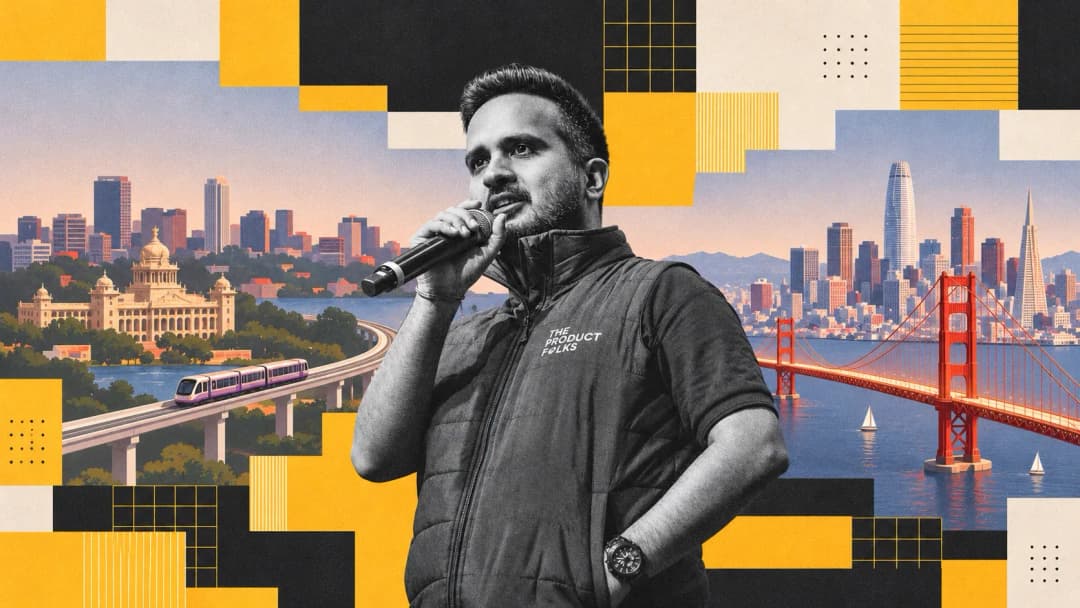
Indian engineers found that replicating San Francisco’s model wasn’t enough to scale. Success required a deeper understanding of user behaviour and engagement, a gap Suhas Motwani is working to bridge.
View

A federal judge denied a motion by xAI seeking to dismissan NAACP lawsuitaccusing the SpaceX-owned company of failing to obtain permits needed to operate the gas turbines powering its Colossus data center outside Memphis. Suing on behalf of the NAACP, the Southern Environmental Law Center said the AI company had “installed and operated at least 35 combustion turbines and other sources of air pollution at the Colossus site without ever obtaining the necessary preconstruction or operating air permits.” It also accused xAI of violating the Clean Air Act. xAI sought to have the lawsuit dismissed,claiming that the turbines are exemptfrom permitting requirements because they’re mobile. The company also argued that the plaintiffs did not have the standing to sue. “Because the plaintiffs have statutory standing under the Clean Air Act, because the combustion turbines are not ‘mobile sources’ under Mississippi’s [State Implementation Plan], and because the citizen suit provision does not violate Article II of the Constitution or the private nondelegation doctrine, the plaintiffs’ claims will proceed,” Judge Debra M. Brown wrote inher decision. Focusing on xAI’s claim that these kinds of citizen lawsuits are unconstitutional, Judge Brown wrote, “Because citizen suit plaintiffs sue on their own behalf, in their own name, and seek penalties that redress harm to themselves, they are not exercising the federal government’s executive power.” TechCrunch has reached out to SpaceX for comment. Ina statement, the NAACP’s director of environmental and climate justice Abre’ Connor described this as “another important victory in our effort to hold xAI accountable.” (A similar motion to dismiss from the Department of Justice wasdenied earlier this month) “The courts have repeatedly rejected attempts by xAI and the DOJ to dismiss the NAACP’s Clean Air Act case, affirming our right to pursue justice for communities impacted by pollution,” Connor said. “Our position has been clear: xAI cannot operate gas turbines without the required permits.” The NAACP lawsuit is moving forward as public opinion seems to have turned sharply against data centers, with New York recentlypassing a moratorium on new data centersand other state and local governments considering similar measures. The backlash also prompted Amazon and Microsoft topromise to stop using NDAsin their dealings with government agencies, and it could bea significant factor in the imminent U.S. midterm elections.

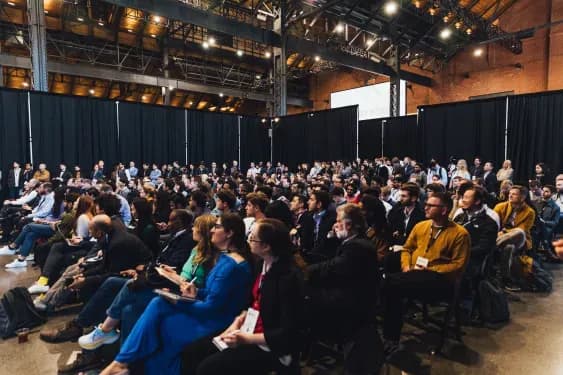
Networking shouldn’t mean walking into a crowded room and hoping you happen to meet the right person. AtTechCrunch Founder Summit, presented by Fidelity Private Shares, founders and VCs have several ways to make the connections they build beyond the sessions more intentional. On November 4 at Boston’s SoWa Power Station, get ready for a full day packed with meaningful networking opportunities, actionable insights, and connections that could change the trajectory of your idea and startup. Make game-changing connections, gain valuable insights, and get the advice you need to propel your idea and startup forward.Grab your pass now to save up to $100 and get a second pass free before doors open. The Founder Summit Networking Lounge, powered by Braindate, gives attendees the ability to schedule one-on-one and small-group conversations around specific topics. Bring a question, offer your own experience, and find people who want to have the same conversation. Braindatealso gives attendees an opportunity to continue ideas that start elsewhere in the program. HearKent Bennettdiscuss product-market fit, then connect with another founder wrestling with the same question. Watch founders put their pitches in front of investors, then compare notes with someone preparing for a raise. HearChase Garbarinotalk about building in Boston, then meet other founders doing exactly that. The sessionscan start the conversation. Networking gives you somewhere to take it next. The connections aren’t limited to one lounge.Roundtablescreate smaller, topic-driven conversations.Breakout sessionsare where on-stage panels address questions from those in the room. The Expo Hall brings attendees and partners together throughout the day. The closing reception gives founders, investors, and operators time to continue conversations without rushing to another session. And the TechCrunch Founder Summit experience extends beyond the venue and event day withofficial Side Eventshappening throughout Boston all week long. Sometimes the most useful thing you leave an event with isn’t another page of notes. It’s a person you didn’t know that morning. Just four days remain untilTechCrunch Founder Summitarrives at Boston’s SoWa Power Station! Don’t miss out on ticket savings, a full day of impactful networking, and practical takeaways designed to propel your idea and startup forward.Register now to save up to $100on your pass and get a second pass free.

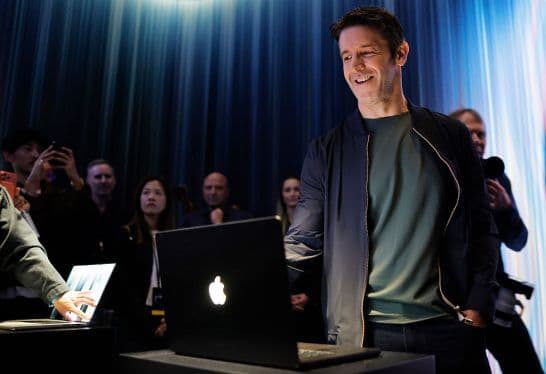
Duringa recent interview with Wired’s Steven Levy, Apple CEO John Ternus defended the company’s current position in the AI landscape. Over the past couple years, Apple has often been described as behind on AI, especially as it delayed the release of a more powerful version of Siri, whichfinally launched this summer. But while Ternus — a longtime Apple executive whoofficially became CEOat the beginning of September — acknowledged that “everyone has an opinion,” he insisted, “I really like where we’re at.” Ternus added that Apple is “absolutely going to leverage AI” in its new products, but he said, “We don’t want to ship AI for AI’s sake. When we’re doing it right, people won’t have to think about whether it was AI that made this happen or more traditional software. What matters is, did we build something that they really love?” And when Levy pressed him on whether AI might affect Apple and its ecosystem more dramatically, with agents potentially making things like apps unnecessary, Ternus replied,”That could make life really easy, I suppose, but the creation of products is a deeply human and personal thing, something that we love to do.”
View

OpenAI’s latest funding round isn’t quite living up to expectations, according to multiple news reports. OpenAI was previously reported to beraising $30 billion at a $1.4 trillion valuation, and thenat a $1.25 trillion valuation, ahead of a planned IPO. ButThe Financial Times reported Fridaythat the company has subsequently lowered its funding target to $20 billion, with a first close that’s expected to be even lower than that. The round will be led by a group of investors from the United Arab Emirates, the FT said. A subsequent retail offering for wealthy individuals could bring the total funding amount to the $20 billion target. Afollow-up story in The Wall Street Journaloffered more details, namely that the company has secured $11 billion so far, and that its fundraising efforts had met with a “tepid” response from some large investors. TechCrunch has reached out to OpenAI for comment. The company’s reported funding challenges could be blamed, in part, on bad timing, asWall Street investors have become wary of heavy AI infrastructure spending, leading to a major sell off of tech stocks. And Anthropic’s planned IPO could befacing challenges, too.
View

AI-native consultancies are positioning themselves as smaller, faster engineering partners that can take AI projects from concept to production in days, not months
View
View
View
View